
Independent cereal guidance
Find a Breakfast Cereal That Fits Your Table
Compare cereal types, understand package labels and build a bowl around your taste, budget and household needs—without fake rankings or medical promises.

Explore the cereal shelf
Start with a cereal family, not a marketing claim
Different cereal formats behave differently in the bowl, on the label and in the pantry. These guides explain the practical differences.


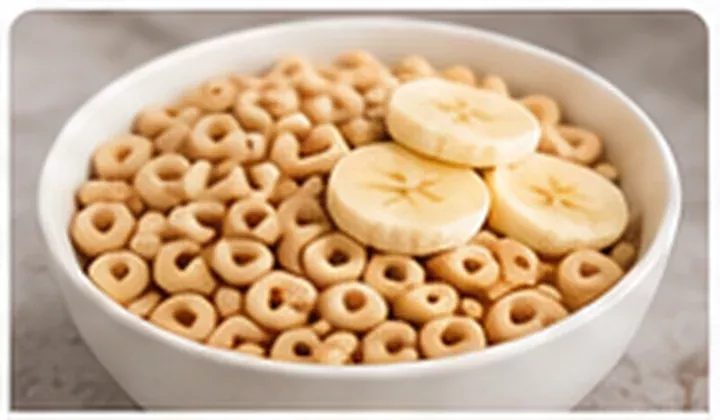


A practical first step
Use the Cereal Finder
Choose hot or cold, texture, sweetness and preparation time. The finder suggests a cereal category to investigate—not a product, diet or medical treatment.
Four questions before buying
- Is the label basis the same as the other product?
- Does the ingredient list match what the front suggests?
- Are allergens and cross-contact statements acceptable?
- Will your household actually eat the package before it goes stale?
Read beyond the front panel
Package claims are only the starting point
Label-reading guide
Compare per serving and per 100 g, understand serving-size differences and check local terminology.
Read labels more carefully →Ingredient lists
Follow the order, recognize multiple sweetening ingredients and confirm the actual grain base.
Inspect ingredients →Allergens and restrictions
Why a familiar product can have different ingredients, warnings or certifications in another market.
Check safely →Editorial approach
Fewer pages, clearer answers
The former WordPress site contained more than 160 posts, many repeating nearly identical “best cereal” themes. This rebuild combines those topics into distinct guides and redirects old URLs to the closest useful page.
We do not publish invented taste tests, product star ratings, disease-specific diets or universal “healthy” scores.
What this site does well
- Explains cereal categories and manufacturing
- Shows how to compare labels on the same basis
- Provides budget and storage tools
- Separates general information from medical advice